What we mean by small
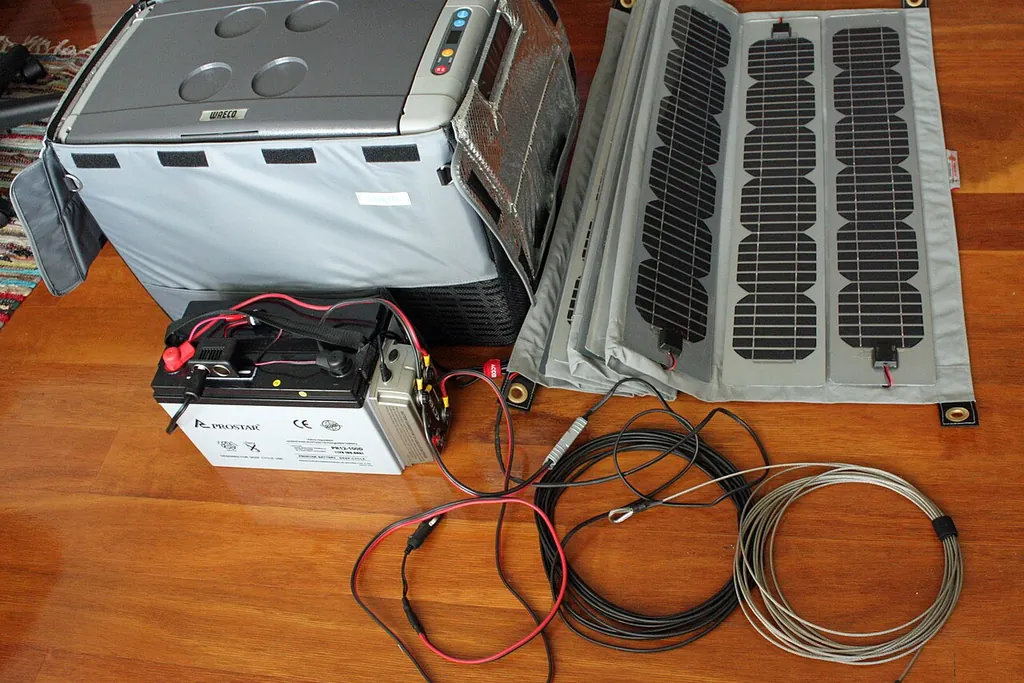
We size and install batteries for small, separate 12, 24 and 48 volt systems. A solar panel and battery on a shed, a dock or a hunting camp. A camper or van. A backup battery and inverter that runs a fridge, a router and some lights in an outage. These are battery-first jobs, where the battery bank is most of the system.
What we do not do
We do not install rooftop solar on houses, and we do not wire a battery or inverter into a home's electrical panel. That work needs a licensed electrician and usually a permit. If you are planning whole-home backup, talk to a licensed solar or electrical contractor. We are happy to explain the battery side so you know what to ask.
Sizing for an outage
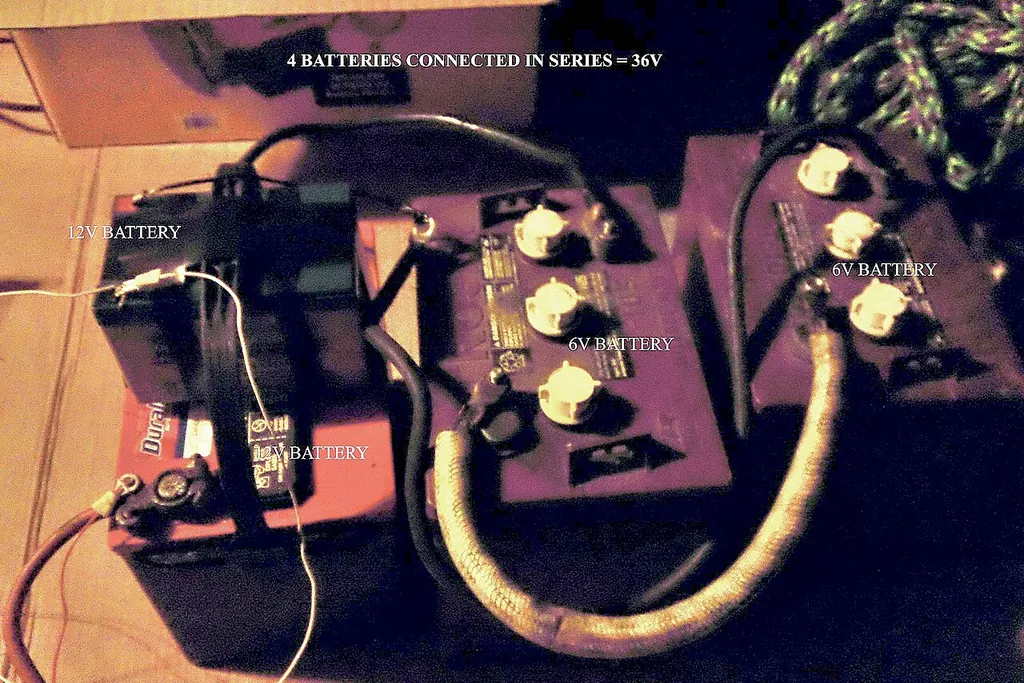
Start with what you actually need to run, and for how long. A fridge, a fan, phone chargers, a router and a few lights add up to far less than a whole house. List the watts and the hours, add a margin, and that gives you the watt-hours the bank has to supply. Divide by the bank voltage for amp-hours. See hurricane season backup power and how to size a deep-cycle battery bank.
Lithium or AGM for backup
A backup battery that sits most of the year needs to be ready when the storm comes. AGM sits well and costs less. Lithium gives more usable power for its size and weight, and lasts far longer if it is cycled often, for example on a small daily solar setup. Either one needs to be kept charged between storms.
Safety
Never run a generator indoors, in a garage or near open windows. Carbon monoxide kills people in Florida after every major storm. Batteries and inverters are quiet and safe indoors when they are installed correctly, with proper fusing and cable sizes, and with the inverter rated for the load.
Questions we get about this
Can you hook a battery into my house panel?
No. That needs a licensed electrician. We can supply and set up a separate battery and inverter that you plug things into.
How big a battery do I need for my fridge?
It depends on the fridge. Many use about one to two kilowatt-hours a day. We will look at the label or measure it.