Step 1: list what it runs
Write down everything that runs from the battery and how much power each one uses. Look for a rating in amps or watts on the label or in the manual.
- If you have amps, you are ready for step 2.
- If you have watts, divide by the system voltage to get amps. A 60 watt fan on a 12 volt system draws 5 amps.
For things that run through an inverter, use the watts on the appliance, then add about 10 to 15 percent for inverter losses.
Step 2: hours per day, or per trip
Estimate how long each thing runs between charges. Multiply amps by hours to get amp-hours.
Example, a small boat for a day at the sandbar:
| Load | Amps | Hours | Amp-hours |
|---|---|---|---|
| Fish finder and GPS | 1.5 | 8 | 12 |
| Stereo, moderate volume | 4 | 5 | 20 |
| Livewell pump, on and off | 4 | 3 | 12 |
| Anchor light | 1 | 2 | 2 |
| Total | 46 |
These numbers are examples. Yours will be different, and that is the point of doing the list.
Step 3: size for the chemistry
- Lead-acid (AGM or flooded): plan to use about half the rated capacity for good life. For 46 Ah, that means at least about 92 Ah of battery, so a single Group 27 or Group 31 deep-cycle battery, or a pair of smaller ones.
- Lithium (LiFePO4): you can plan on using most of the rating. A 50 to 60 Ah lithium battery would cover 46 Ah with a margin, and a 100 Ah one would cover two days.
Step 4: add a margin
Batteries lose capacity as they age, in heat, and at high current draws. We usually add 20 to 25 percent on top. For trolling motors, wind, current and spot-lock use can double the draw on a bad day.
Trolling motors
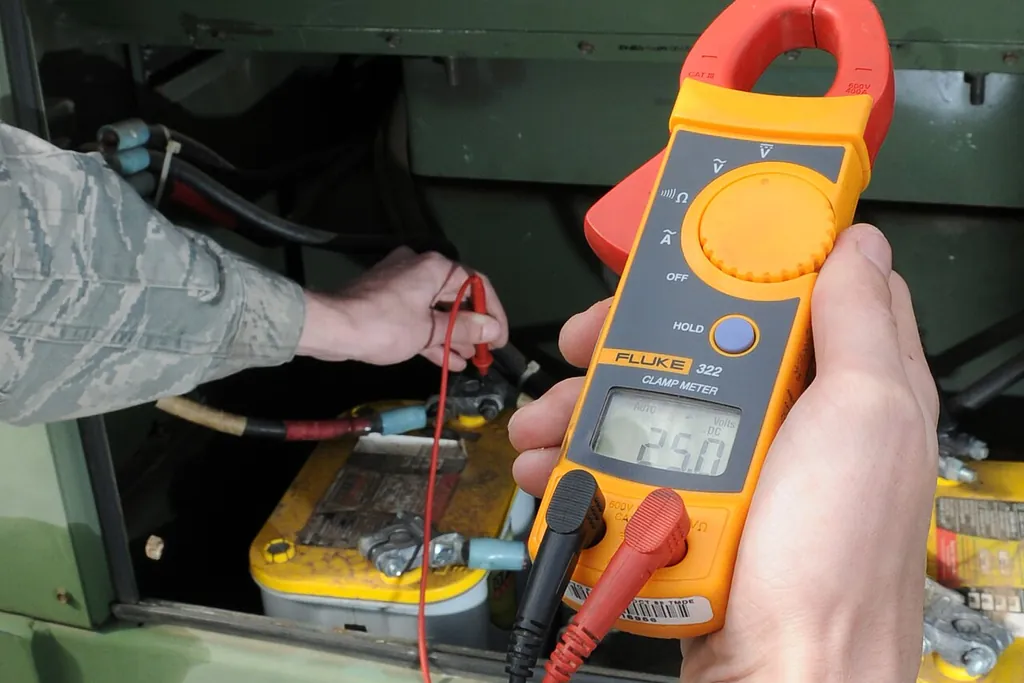
Trolling motor makers list maximum current draw. You will rarely run at full power all day. A rough approach is to estimate your average speed setting and hours. Better still, measure with a clamp meter or a battery monitor on a typical day. Then size the bank at the motor's voltage.
Charging matters too
A bank is only as useful as your ability to refill it. Check that the charger, alternator or solar can put back what you used before the next trip. A big bank with a tiny charger spends its life partly charged, and lead-acid batteries hate that.
Or call us
Tell us what you run and how you use it, and we will do the math with you.
Related questions
What is an amp-hour?
One amp for one hour. A battery rated 100 Ah can, in theory, supply 5 amps for 20 hours. Ratings are usually measured at a slow 20-hour rate.
Why does my battery give less than its rating?
Lead-acid gives less at high current, in cold and as it ages. Using a lot of current fast reduces what you get.