Quick facts
Nominal voltage: 12.8 V for a "12-volt" battery (4 cells)
Usable capacity: Most of the rated amp-hours
Upkeep: None
Charging: Lithium profile; no equalize
Watch for: Charging below freezing, alternator load
What LiFePO4 is
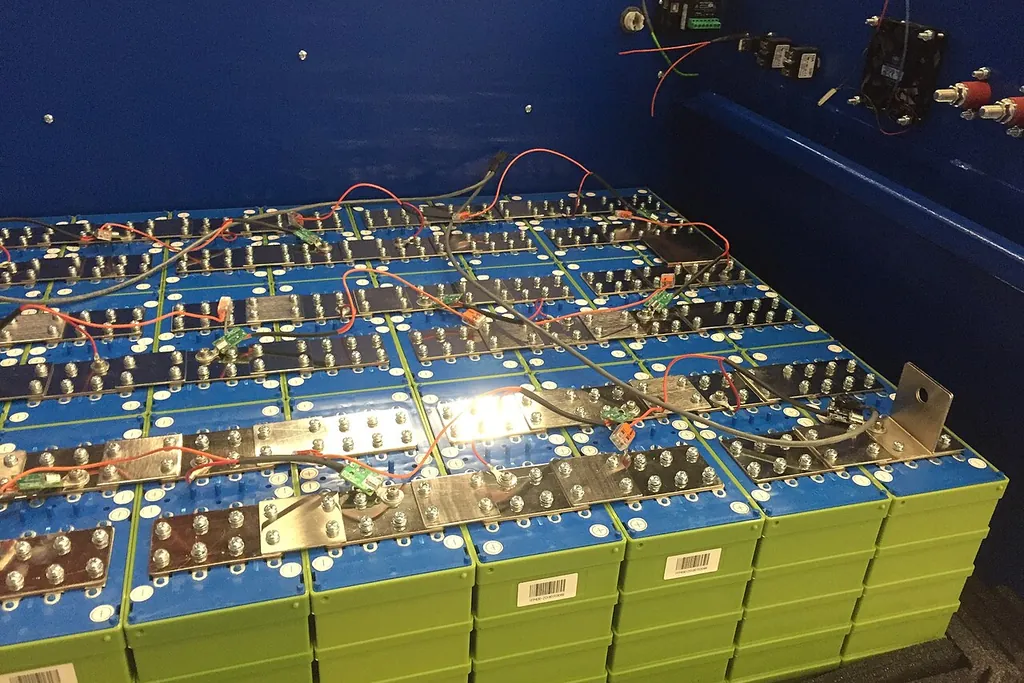
Lithium iron phosphate, written LiFePO4 or LFP, is the lithium chemistry used in most drop-in replacements for lead-acid deep-cycle batteries. Each cell is about 3.2 volts. Four cells in series make a battery that sits around 12.8 volts, which is why a "12-volt" lithium battery reads a little higher than a lead-acid one. Inside the case there is also a battery management system (BMS) that watches each cell and shuts the battery off if something goes wrong.
It is a different chemistry from the lithium-ion cells in phones and laptops. LFP stores a bit less energy for its weight, but it is much more stable and it lasts far more charge cycles. That trade is the right one for a boat, an RV or a golf cart.
What it does well
- Weight. A lithium battery is often less than half the weight of a lead-acid battery with the same amp-hour rating. On a bass boat or a golf cart, that is weight you feel.
- Usable capacity. You can use most of a lithium battery's rated capacity. A lead-acid battery lasts much longer if you only use about half of its rating.
- Steady voltage. Lithium holds its voltage until it is nearly empty. A trolling motor or cart does not slow down as the battery drains the way it does on lead-acid.
- Cycle life. LFP batteries are commonly rated for thousands of cycles. Lead-acid deep-cycle batteries are usually rated for hundreds.
- No watering, no gassing. Nothing to top up, and no hydrogen in normal use.
Where it needs care
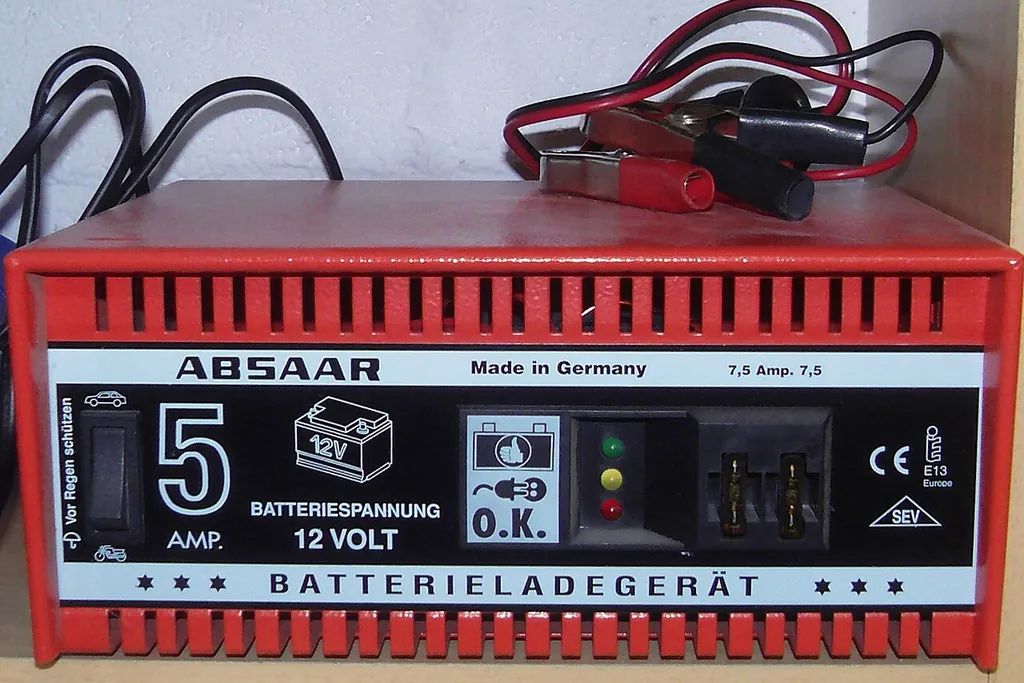
- Charging. Lithium needs a charger with a lithium setting. A charger built for flooded batteries can undercharge it or try to equalize it, which the BMS will not like. See chargers and monitors.
- Alternators. A lithium battery can pull more current from an alternator than the alternator was designed to give for long. On many boats and tow vehicles we use a DC-to-DC charger. See charging lithium from an alternator.
- Cold. Most LFP batteries must not be charged below freezing unless they have built-in heaters. That is rarely a problem in Florida, but it matters if the RV heads north.
- Starting engines. Some lithium batteries are built for starting and many are not. Check the rating before using one to crank an engine.
- Cost up front. Lithium costs more to buy. Over its life it often costs less per cycle, if it is used enough to get those cycles.
How we install it
We check the charger first. Then we fit the battery, secure it so it cannot shift, run correctly sized cable with a fuse close to the battery, and set the charger to the right profile. On boats and RVs we often add a battery monitor, because a lithium battery's voltage does not tell you much about how full it is. See battery monitors and shunts.
Questions we get about this
Is a lithium battery a drop-in replacement?
Physically, often yes. Electrically, only if the charger and charging sources work with it. We check those first.
Can I leave a lithium battery on the charger?
With a charger set to a lithium profile, yes. Lithium does not need a float charge the way lead-acid does, and many lithium profiles stop charging when it is full.