The problem
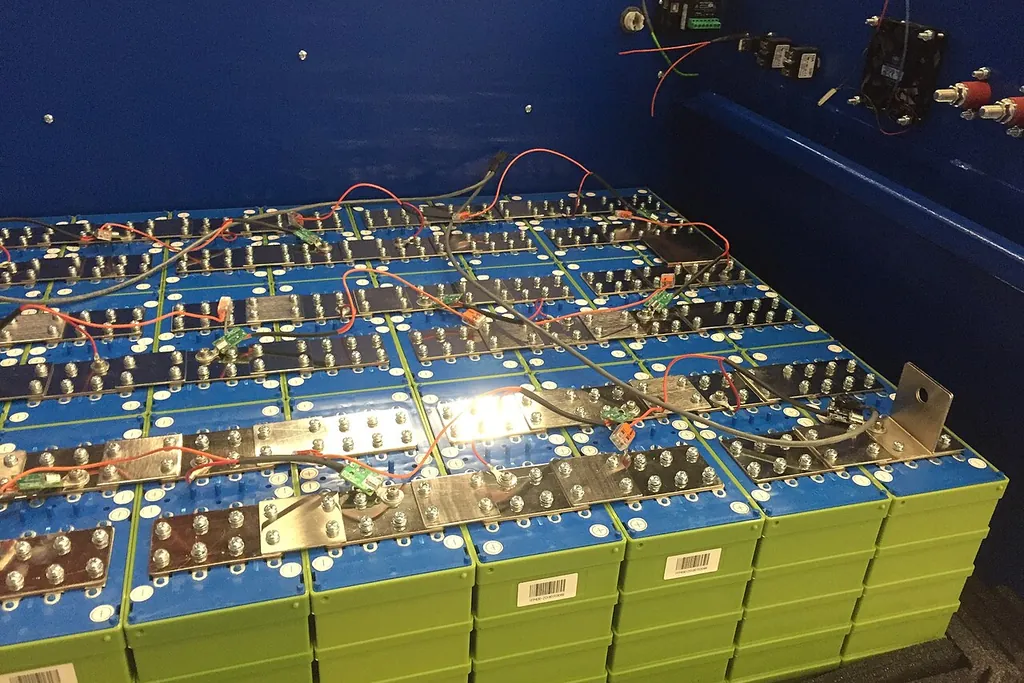
A lead-acid battery's resistance rises as it charges, so it naturally limits how much current it takes. A lithium battery has very low resistance. It will take as much current as the alternator can give, for as long as it is not full. Many alternators are not designed to run at full output for long periods. They can overheat.
Lithium also wants a specific charging voltage. An alternator's regulator is set for a lead-acid starting battery, which may undercharge or overcharge the lithium battery depending on the system.
The fix: a DC-to-DC charger
A DC-to-DC charger sits between the starting battery and the lithium battery. It:
- Limits the current to a safe level for the alternator.
- Charges at the right voltage for the lithium battery.
- Isolates the banks, so the lithium bank cannot drain the starting battery.
- Turns on only when the engine runs, using the voltage or an ignition signal.
Chargers come in different current ratings. We size it to the alternator's output and the bank.
Outboards
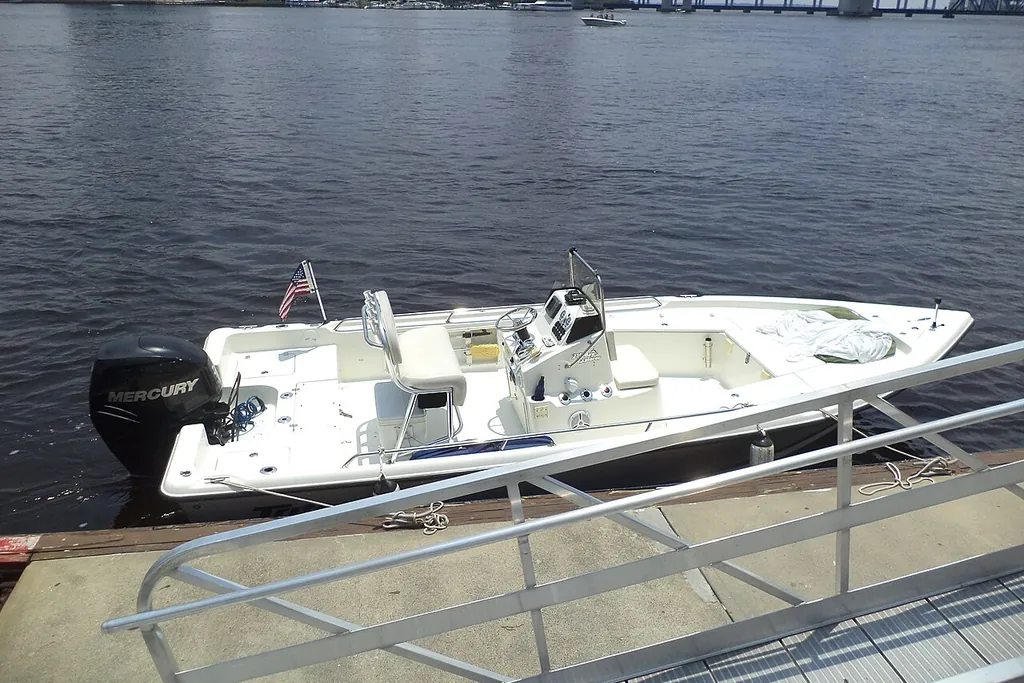
Many outboards have modest charging output, especially at idle and trolling speeds. Some outboard makers publish rules about charging lithium batteries from their engines. We check the engine's charging output and the maker's guidance before connecting a lithium bank to it. On many boats, the lithium bank is charged mainly by a shore charger, with a DC-to-DC charger topping up while running.
Tow vehicles and campers
The charge wire in a trailer plug is usually thin and long, so very little charging reaches the camper's battery. A DC-to-DC charger in the camper, fed by a properly sized cable from the tow vehicle, does a much better job for both lithium and lead-acid.
Motorhomes
A motorhome's engine alternator often charges the house bank through a relay or isolator. With lithium house batteries, we usually replace that link with a DC-to-DC charger.
Signs something is wrong
A hot smell from the alternator, dimming lights, or a starting battery that goes flat on a long drive. Stop and have the charging checked.
Related questions
Can I connect lithium straight to my alternator?
Some systems are designed for it. Most are not. A DC-to-DC charger is the safe default.
Will a DC-to-DC charger work with AGM too?
Yes. Most have profiles for AGM, flooded and lithium.