Boat, RV and Golf Cart Batteries, Installed Where You Keep It
Deep-cycle and lithium batteries for boats, trolling motors, RVs, golf carts and backup power. We bring them to you anywhere in Florida and put them in.
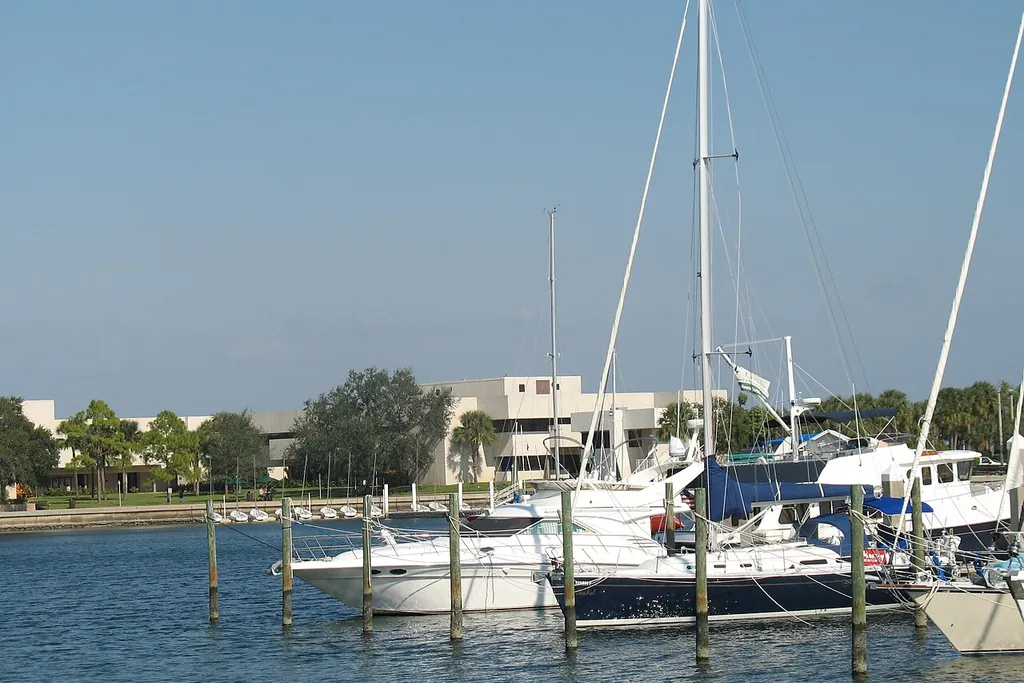
The city marina in downtown St. Petersburg. Photo: User:2candle, CC BY-SA 3.0.
A battery bank is a system, not a box
Most battery trouble on boats, RVs and golf carts does not start with a bad battery. It starts with the wrong battery for the job, a charger that does not match it, or a bank wired so one battery does all the work. Then the new battery fails early and gets blamed.
So we start with how you use it. How long the trolling motor runs on a tournament day. What the RV runs when it is not plugged in. How far the cart goes and how often it sits. From that we work out the voltage, the amp-hours and the chemistry, and we check that the charger, the cables and the fuses will work with it.
Lithium is not always the answer
Lithium iron phosphate (LiFePO4) batteries are lighter, last many more cycles and give you most of their rated capacity. For a trolling motor, a golf cart or an RV house bank that gets used hard, they are often worth it. For a starting battery on an outboard, or a boat that sits most of the year and gets used a few weekends, a good AGM can make more sense. We will tell you which one fits, and why. See lithium vs lead-acid deep-cycle batteries.
We come to the boat, the RV or the cart
We bring the batteries to where the boat, RV or cart is: your driveway, slip, storage lot or campsite, anywhere in Florida. We take the old batteries out, put the new ones in, wire and fuse them, set up the charger if it needs it, and test the system before we leave. The old batteries go for recycling.
When you call, it helps to have:
- What it powers: boat, trolling motor, RV, cart or backup system
- The label on the battery that is in there now
- System voltage: 12, 24, 36 or 48
- The charger brand and model, if you know it
- Where it is parked, and how we get to it
Boat batteries
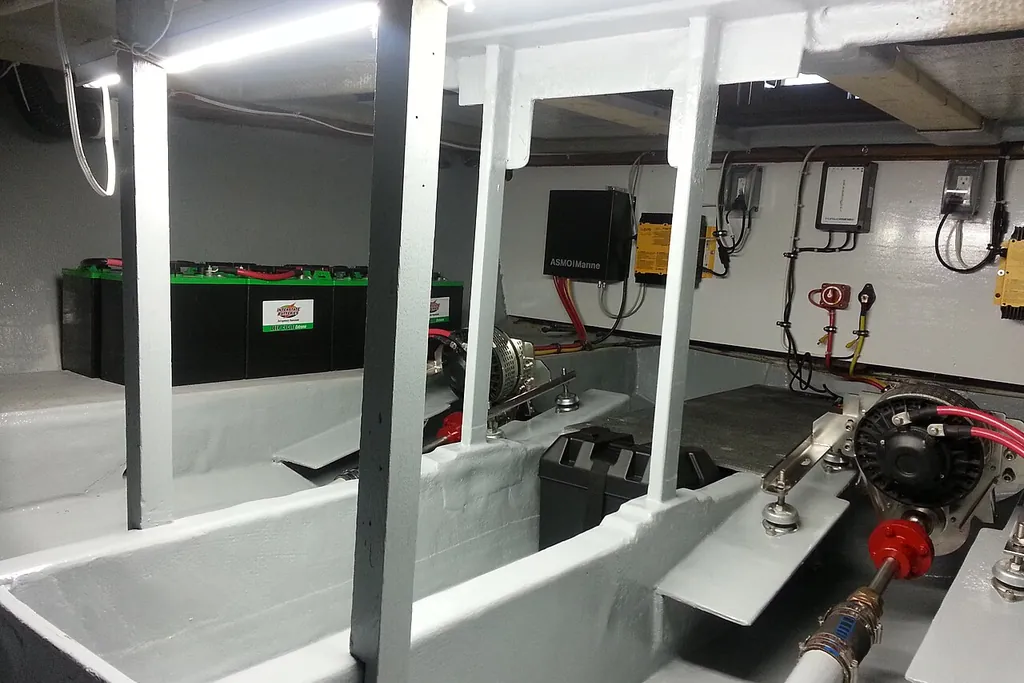
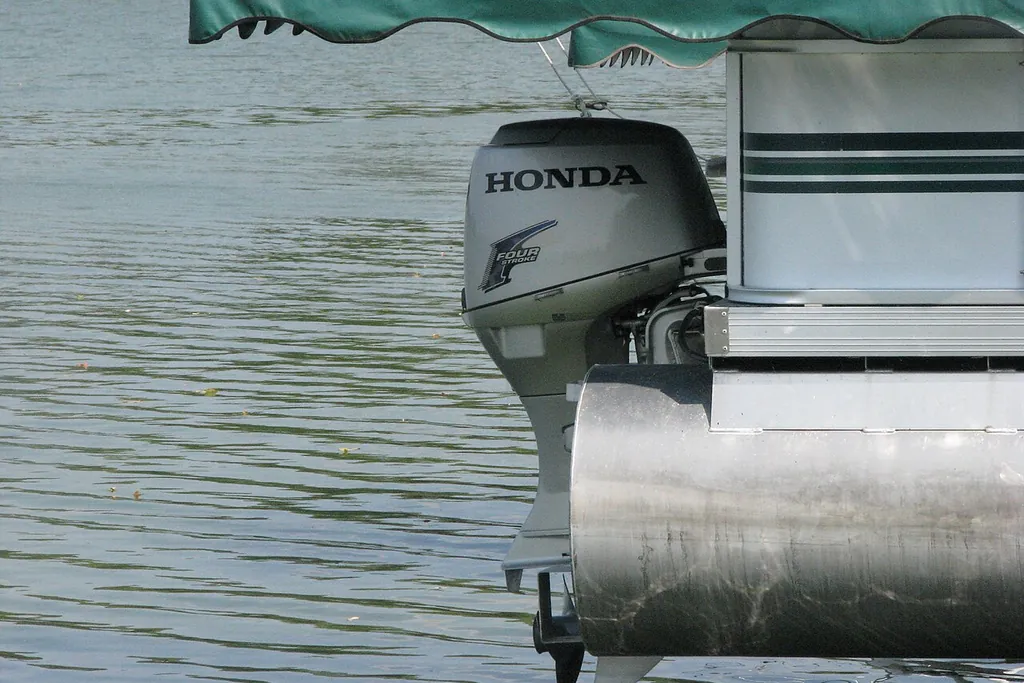
Most of the boats we work on have two jobs for their batteries: start the engine, and run everything else. Electronics, the livewell, bilge pumps, lights and a stereo all pull from the house side. When one battery tries to do both, you end up with a dead start after a long day on the water.
We replace starting batteries and house banks, add a second battery and a switch when it makes sense, and fix the corroded cables and loose lugs that salt air leaves behind.

Trolling motor batteries
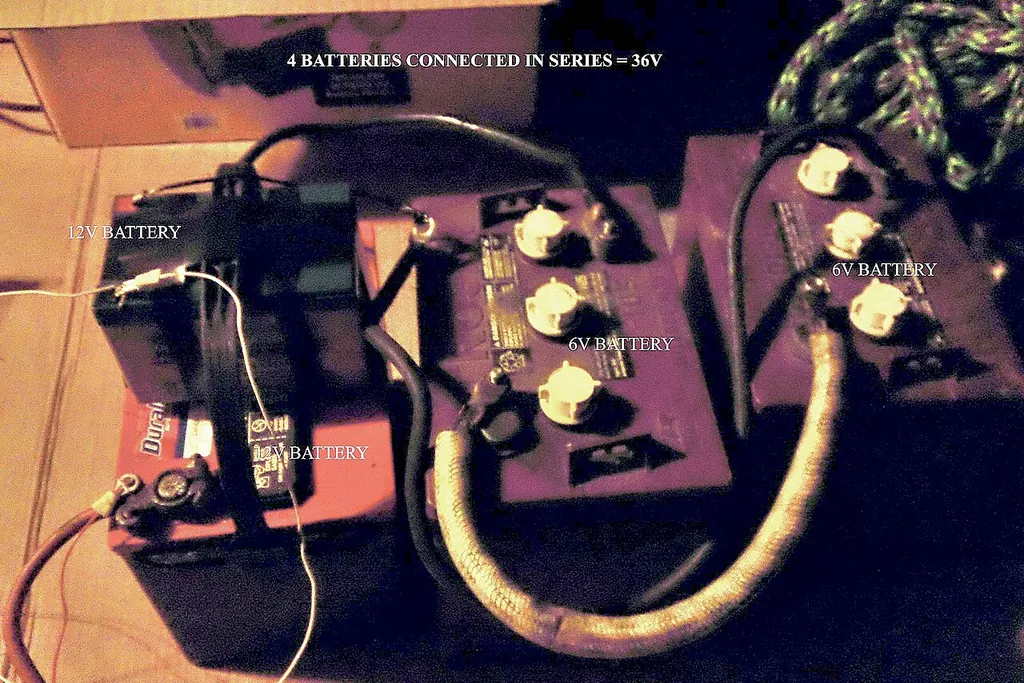
A 24 or 36 volt trolling motor bank lives a hard life. It gets run down every trip and charged back up every night, often by a charger that is older than the batteries. We set you up with lithium or AGM at the right voltage, and an onboard charger that charges each battery evenly.
RV and camper batteries
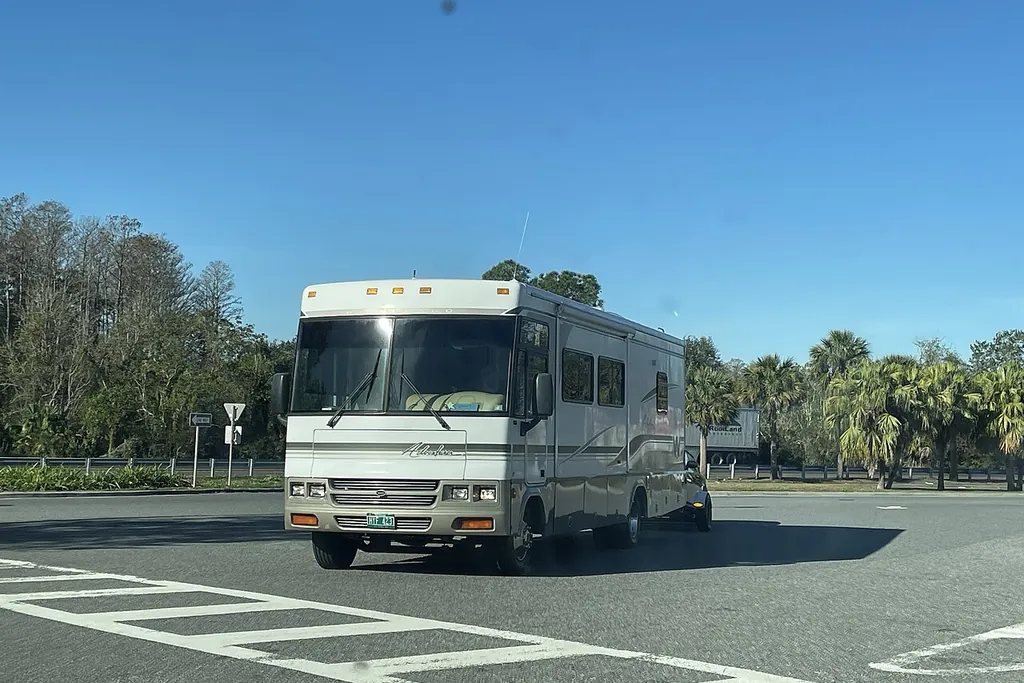
If your RV battery is flat by morning when you are not plugged in, the bank is too small, worn out, or not getting a full charge. Plenty of RV converters were never built to charge lithium properly.
We look at what you run, what the converter and solar controller can do, and then size a house bank that gets you through the night. Motorhomes, travel trailers, fifth wheels and pop ups.
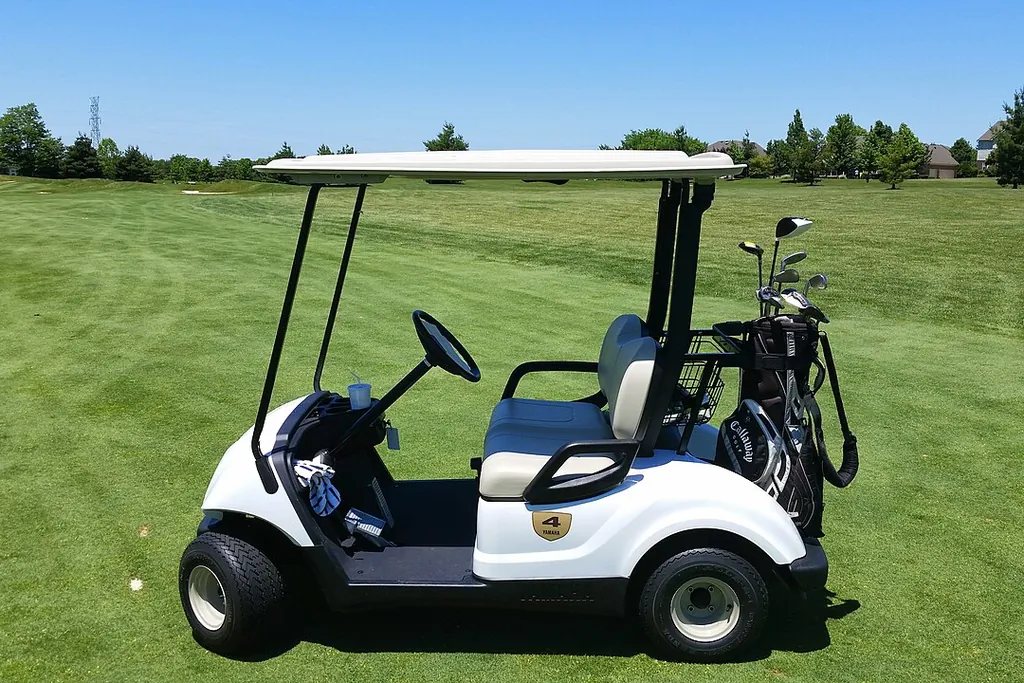
A golf cart on the fairway. Photo: ingagestroliac, CC0.
Golf cart and LSV batteries
36 and 48 volt carts, street legal LSVs and utility carts. We replace a full set of lead-acid batteries, or convert the cart to lithium with the charger, mounting bracket and state of charge meter that go with it. A lithium cart loses a few hundred pounds and there is no more watering.
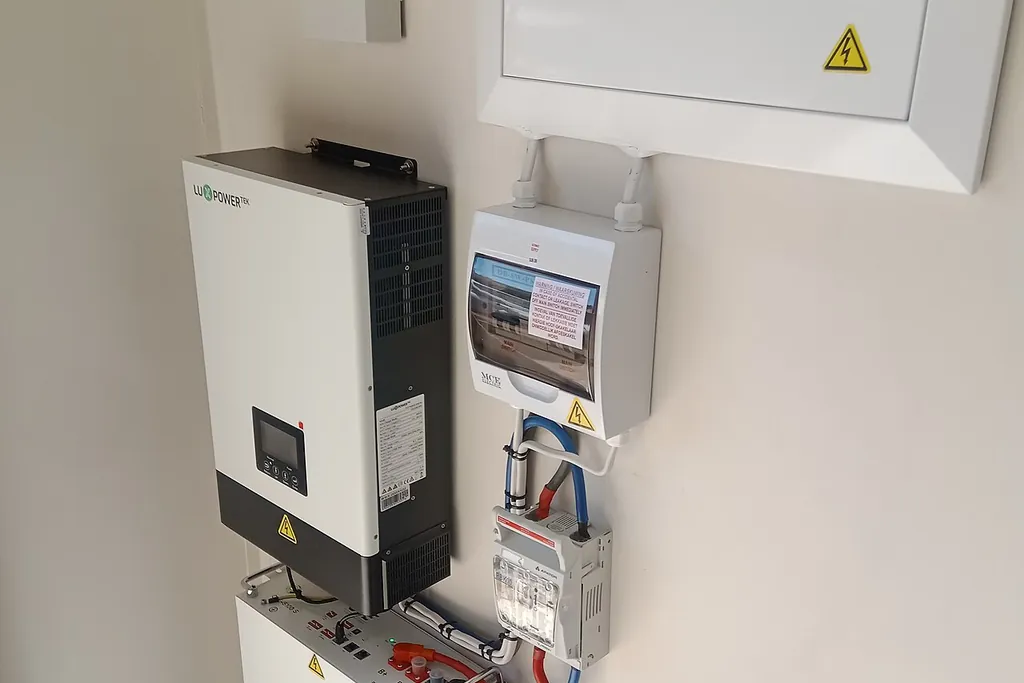
A wall-mounted lithium battery with an inverter for backup power. Photo: WisePsyco, CC BY-SA 4.0.
Solar and backup power
Small off-grid setups for cabins, sheds and campers, and battery backup that keeps a fridge, fans and phones going after a storm. We do not wire into your house panel. That is a job for a licensed electrician.
What we do when we get there
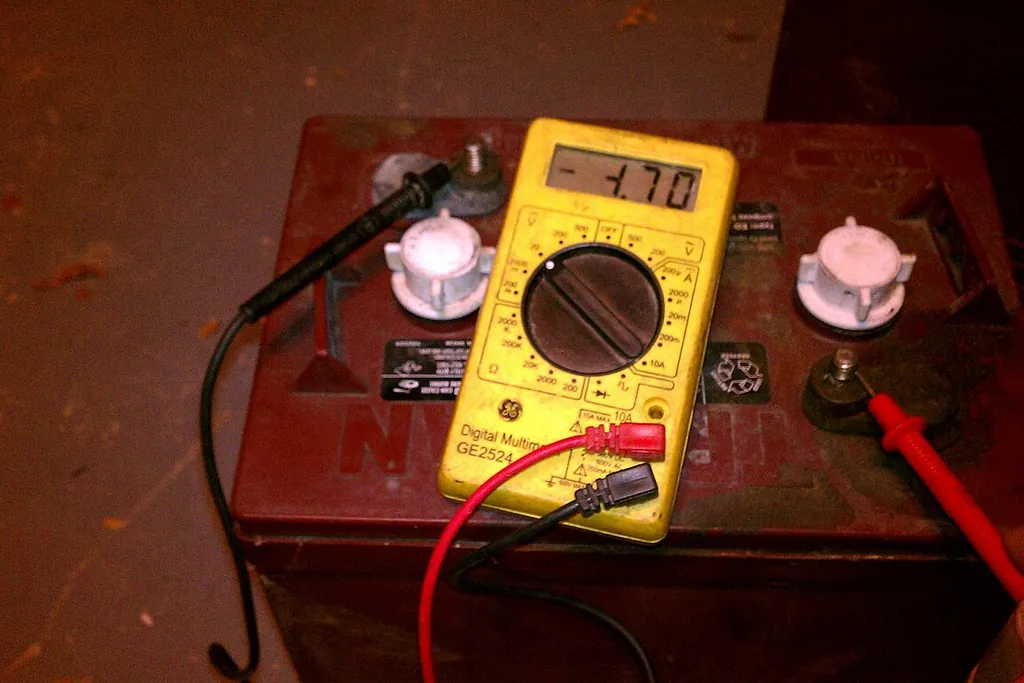
Every job starts with a test. We check each battery, the charger and the connections, because a new battery on a bad charger or a corroded cable does not last. Then we take the old batteries out, put the new ones in, wire and fuse them, set the charger for the new battery and test it all before we leave. The old batteries go for recycling.
Lithium, AGM or flooded?
We sell and install all three, and we will not push you toward the expensive one if it is not right for how you use your boat, RV or cart.
Lithium (LiFePO4) is the lightest and lasts the most charge cycles, and you can use most of its rated capacity. It costs the most up front and it needs a charger with a lithium setting. It makes the most sense for trolling motors, golf carts and RV house banks that get used hard.
AGM is sealed and spill proof, works with most chargers you already have, and handles sitting better than flooded batteries do. A good choice for starting batteries and for boats that only go out a few weekends a year.
Flooded lead-acid is the lowest price. It needs its water checked, its terminals kept clean and somewhere to vent. Plenty of golf carts still run on them and do fine with a little care.
We are not tied to one battery brand. We pick a battery that fits the job and the space, tell you the brand and model before you buy, and quote it with the install so you know the whole price.
Read more: Lithium (LiFePO4) batteries, AGM deep-cycle batteries, Flooded deep-cycle batteries, Dual-purpose and starting batteries, Chargers and battery monitors. Or our side by side guide, lithium vs lead-acid, in detail.
Why people call us
We are a small Florida crew that works on batteries all day. Not engines, not upholstery, not a little of everything. When you call, you talk to someone who knows the difference between a cranking amp and an amp-hour and will ask you the questions that matter: what it powers, how long you run it, what charger is on it now.
We would rather talk you out of a battery you do not need than sell you one that fails in a year. If your batteries test fine and the problem is a charger, a cable or a parasitic draw, we will tell you that.
The Caliber Batteries crew
Battery guides
Things we explain on the phone every week, written down.
Common questions
Do you come to me?
Yes. We install at the boat, RV or cart: home, marina, storage lot or campground, anywhere in Florida. We do not have a storefront.
Do you sell batteries without installing them?
Call and ask. Most of our work is supply and install, because sizing and charging are where battery problems start.
How much does a lithium battery cost?
It depends on the size and the setup. We quote on the phone for your batteries and your install, before anything is ordered.
Will my charger work with lithium?
Some will and some will not. Many older chargers and RV converters do not have a lithium setting. We check yours before we recommend anything.
What happens to the old batteries?
We take them for recycling.
Where we work
We come to you anywhere in Florida: your driveway, slip, dry storage, RV lot, campground or golf community. We do not have a storefront, so every job is done where the boat, RV or cart is parked.
Installs are by appointment. Call or text us with what it powers, the label on the battery that is in there now and where it is parked, and we will give you a price before anything is ordered.
Call (813) 212-2423
Phones answered 24 hours, 7 days. Installs by appointment. Contact page / About us / How we size a bank

Naples City Dock. Photo: Marc Ryckaert, CC BY-SA 4.0.