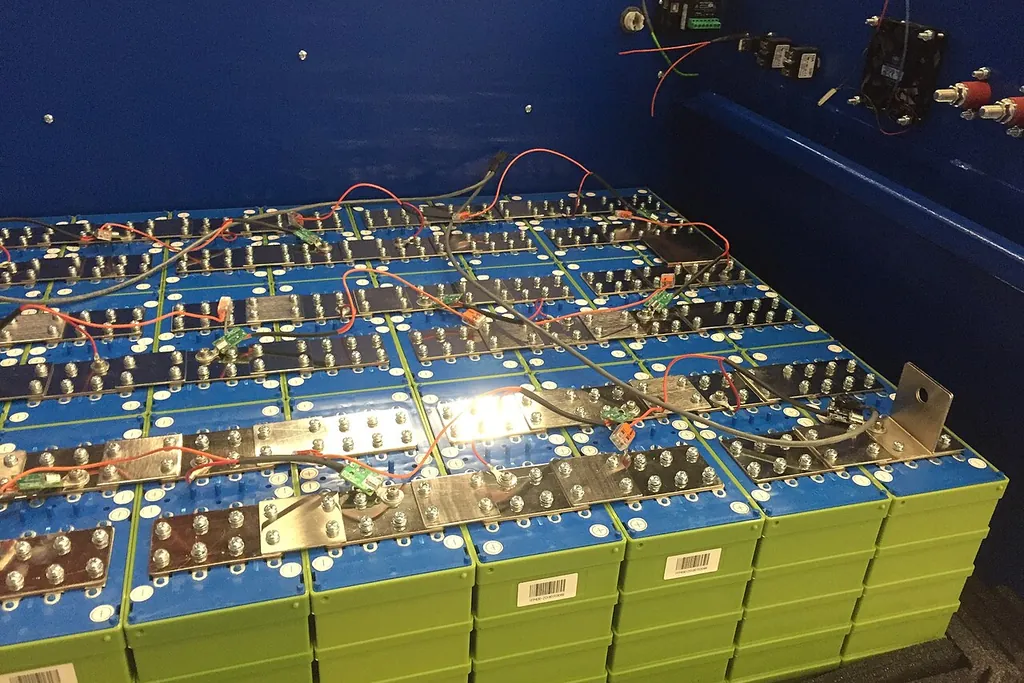
The short comparison
| Lithium (LiFePO4) | AGM | Flooded | |
|---|---|---|---|
| Weight | Often under half | Heavy | Heavy |
| Usable capacity | Most of the rating | About half for long life | About half for long life |
| Voltage as it drains | Stays steady | Sags | Sags |
| Cycle life | Thousands, commonly | Hundreds | Hundreds, if watered |
| Upkeep | None | None | Water, terminals |
| Charging | Lithium profile | AGM profile | Flooded profile |
| Price to buy | Highest | Middle | Lowest |
Usable capacity is the big one
A 100 amp-hour lead-acid battery and a 100 amp-hour lithium battery do not give you the same usable power. Lead-acid deep-cycle batteries last far longer if you recharge them after using about half their capacity. Drain them flat often and they wear out quickly. Lithium iron phosphate batteries can use most of their rating day after day.
So in practice, a 100 Ah lithium battery often does the work of roughly a 200 Ah lead-acid bank. It weighs a fraction as much.
Steady voltage
Lead-acid voltage drops steadily as it drains. A trolling motor slows, a golf cart loses pep on hills, an inverter shuts off early on low voltage. Lithium holds close to its full voltage until it is nearly empty, then drops quickly. You get full performance for longer. The flip side is that you cannot judge how full a lithium battery is from its voltage. You need a proper gauge.
Cycle life and cost per cycle
Lithium costs more to buy. But if it gives several times the cycles of a lead-acid battery, the cost per cycle can be lower. That only works out if you actually use the cycles. A golf cart used daily or a trolling motor run every weekend will. A backup battery that sits in a closet and gets used once a year will not, and it may age out from time and heat before it wears out from use.
Charging differences
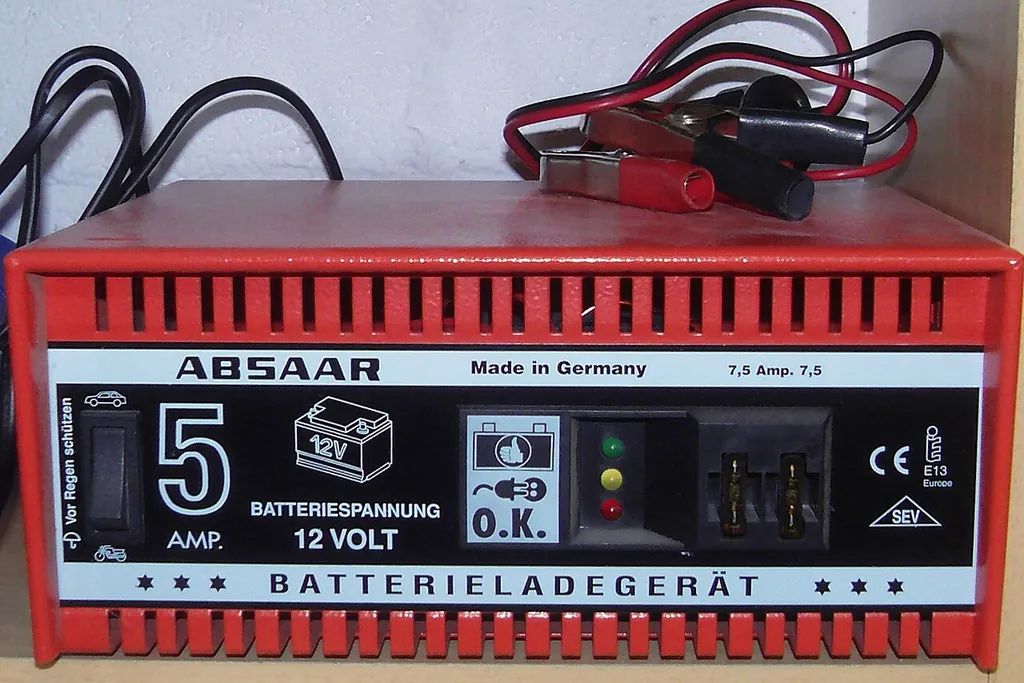
Lithium needs a charger with a lithium profile, and it must not be equalized. It can pull a lot of current from an alternator. It should not be charged below freezing unless it has heaters. AGM and flooded batteries need their own profiles too, and they need to be fully charged regularly or they sulfate.
Heat
Heat ages all batteries. Lead-acid in a hot Florida compartment loses life fast. LiFePO4 tolerates heat better than most lithium chemistries, and its BMS shuts the battery off if it gets too hot. Shade and airflow still help every battery. See Florida heat and deep-cycle batteries.
Which one we usually recommend
- Lithium: trolling motors, golf carts, RV house banks used off-grid, anything used hard and often, anything where weight matters.
- AGM: starting batteries, weekend boats, RVs with chargers that cannot do lithium, backup batteries that sit.
- Flooded: budget golf cart sets and RV banks where someone will water them and there is a vented space.
Related questions
Is lithium safe on a boat?
LiFePO4 is the most stable common lithium chemistry, and quality batteries have a BMS that protects the cells. Install it with proper fusing and secure mounting, like any battery.
Can I go back to lead-acid later?
Yes, as long as the charger is set back to a lead-acid profile.