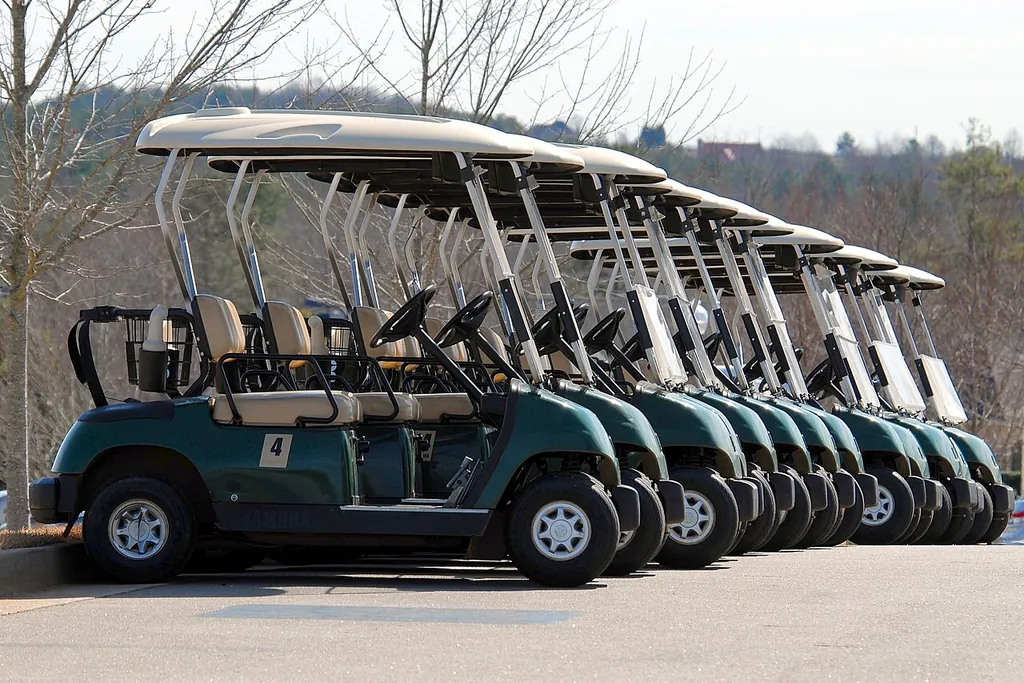
How golf carts are built
Most electric golf carts run at 36 or 48 volts. With lead-acid, that is a set of batteries in series:
- 36 volts: six 6-volt batteries.
- 48 volts: six 8-volt batteries, or four 12-volt batteries.
The charger is built for that voltage and that chemistry. Some older carts also have an onboard computer that talks to the charger. Low-speed vehicles, the street-legal carts with lights, belts and a VIN, use the same kind of battery pack.
Lead-acid or lithium
A fresh set of flooded batteries is the lowest-cost option, and it works if someone checks the water. In Florida heat that is a regular job. AGM sets cost more and need no water.
Lithium replaces the whole set with one or two batteries at the cart's voltage. It takes a lot of weight off the cart, it does not need water, and it holds speed to the end of the charge. It also needs a lithium charger, secure mounting in the tray, and a state-of-charge meter, because the old voltage gauge will not read lithium correctly. That is a conversion, not a swap. See lithium conversions.
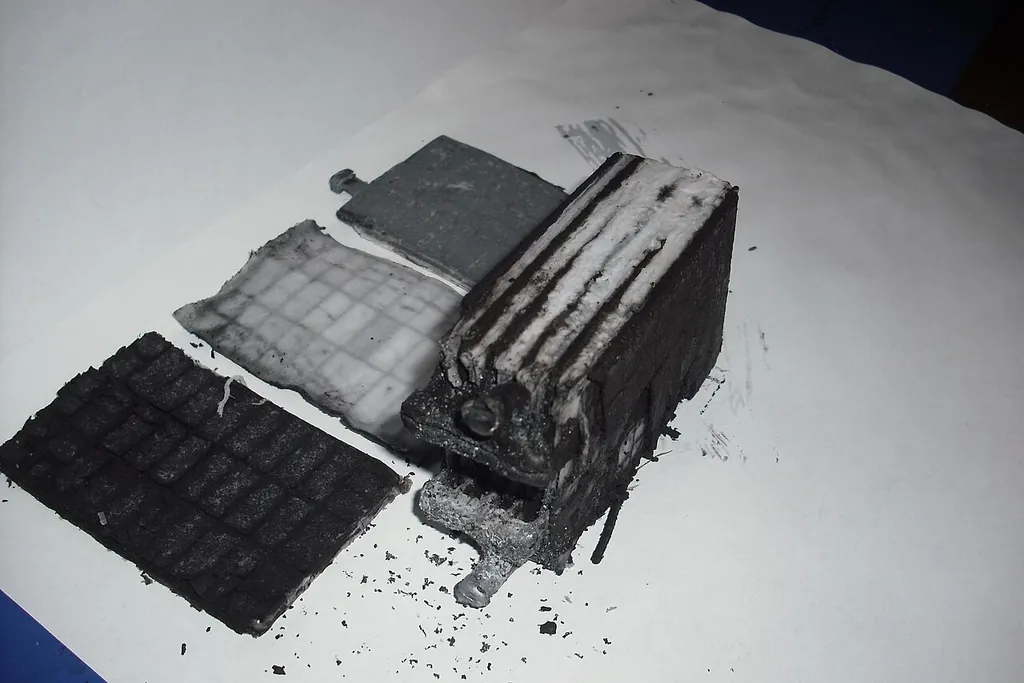
What kills cart batteries
- Low water in flooded batteries. Plates that are exposed to air are damaged for good.
- Sitting. A cart left unplugged for the summer while the owners are up north.
- A dead charger. The batteries get blamed for a charger that stopped finishing its cycle.
- One bad battery in a set, dragging down the rest.
What we do
We test the pack and the charger, then replace the set or convert the cart to lithium. We fit new cables if the old ones are corroded and set up the charger. We take the old batteries for recycling.
Questions we get about this
Can I replace just one bad battery?
In an older set, we do not recommend it. The new battery gets dragged down by the old ones. If the set is only a few months old, call and we will talk it through.
Do I need a new charger for lithium?
Yes, a charger built for lithium at your cart's voltage.